In most cases, no rest is required after dry needling.
Some people may have been told they need to avoid activity for 24–48 hours, but that recommendation is generally inaccurate. While temporary soreness can occur, the body does not need to be shut down after treatment.
Dry needling is intended to improve muscle activation and neuromuscular function. Continuing normal movement — and in many cases exercise — typically supports that process rather than interfering with it.
What Happens to Muscles After Dry Needling?
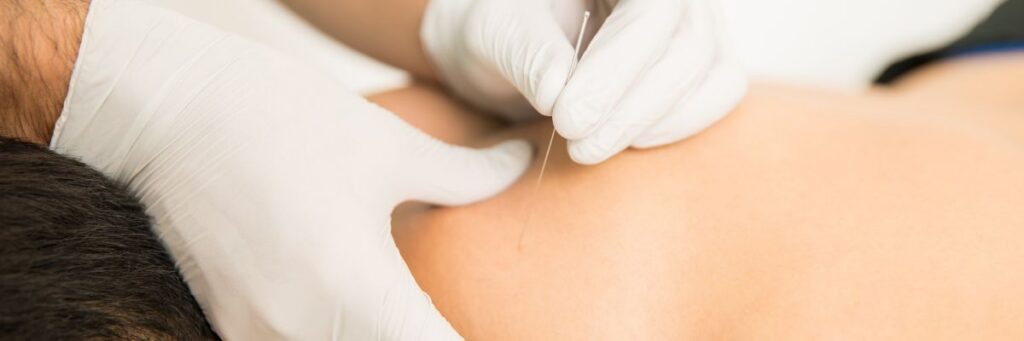
Dry needling stimulates dysfunctional or inhibited muscle fibers and often produces a local twitch response. This response helps reduce excessive tension while improving communication between the nervous system and the muscle.
In many cases, muscles that were previously not firing efficiently begin activating more effectively after treatment. For someone dealing with chronic low back pain, this may mean improved trunk activation and decreased guarding. For a lifter, it may mean better glute or shoulder engagement during training. The underlying mechanism is the same — improved neuromuscular efficiency.
Because dry needling creates a localized physiological response, mild soreness may occur. This often feels similar to post-workout soreness and usually resolves within a day or two.
Soreness does not mean damage. It does not mean the muscle needs to be rested. It reflects a temporary tissue response.
How Much Rest Is Typically Needed?
None is required as a rule.
You can resume normal daily activity immediately. Walking, working, light training, or structured exercise are generally safe.
If an area feels tender, you may choose to temporarily adjust intensity. That decision should be based on comfort and function — not on a blanket restriction. Prescribing automatic inactivity for 24–48 hours is unnecessary for most individuals.
Movement improves circulation, reinforces muscle activation, and often shortens the duration of post-treatment soreness.
Can You Exercise After Dry Needling?
Yes.
For active individuals and athletes, dry needling is often followed by movement or training to reinforce improved muscle recruitment. Strength work, corrective exercise, and controlled loading can help integrate changes made during treatment.
For individuals managing chronic pain, exercise after treatment may look different — perhaps walking, mobility work, or structured therapeutic exercise. The objective is the same: reinforce improved activation and reduce pain sensitivity through controlled movement.
Intensity should reflect tolerance, but avoiding activity altogether is rarely necessary.
What If You Feel Sore the Next Day?
Mild soreness for 24–48 hours is common and typically resolves without intervention.
Light activity often helps more than rest. Gentle movement, hydration, and normal daily function usually decrease stiffness more effectively than inactivity.
If soreness is excessive or prolonged, treatment variables such as volume or intensity can be adjusted during future sessions. Dry needling should always be calibrated to the individual.
Does Recovery Differ Based on the Area Treated?
Certain muscle groups may feel more reactive temporarily, especially larger or heavily loaded areas. Even so, complete rest is rarely necessary.
Activity may be adjusted based on tolerance and demands, but the default approach is to keep moving.
Recommendations should reflect the individual’s goals — whether that means returning to lifting, reducing chronic discomfort, or simply improving daily function.
How to Support Recovery After Dry Needling
To support recovery:
- Stay hydrated
- Continue normal daily movement
- Perform prescribed exercises if given
- Adjust intensity based on symptoms, not fear
Dry needling is meant to enhance function. Supporting circulation and muscle recruitment through movement typically improves outcomes.
When Can You Return to Normal Activity?
Immediately.
Higher-intensity exercise can resume based on comfort and tolerance rather than an arbitrary waiting period. Gradual progression is reasonable, but mandatory downtime is not required for most people.
Understanding Movement as Part of the Treatment Process
Dry needling is intended to restore muscle function and reduce pain sensitivity — not create fragility.
At the highest levels of sport, this approach is commonly used with professional athletes, including NFL players, to maintain neuromuscular efficiency throughout long seasons. When muscles activate more effectively, force is distributed more appropriately across joints and tissues. That improved coordination can reduce compensatory strain and lower the likelihood of overuse-related injuries.
That same principle applies well beyond professional athletics.
For an older adult at risk of falling, improved glute and lower extremity activation can enhance balance, stability, and walking confidence. Better muscle recruitment supports joint control, which can reduce fall risk and secondary injury.
The goals may differ — performance optimization in one case, safety and independence in another — but the physiology is the same. Improving how muscles function improves how the body moves.
When applied thoughtfully, dry needling is not simply about short-term pain relief. It is a tool used to enhance capacity, support resilience, and reduce injury risk across populations.