Dry Needling in Baltimore
Find Real Relief from Chronic Pain with Dry Needling
If you’re dealing with ongoing hip, back, or shoulder pain, headaches, tennis elbow, plantar fasciitis, TMJ, or nearly any type of muscle pain, you know how frustrating it can be when nothing seems to help.
Dry needling targets the root of your pain by using tiny, thin (filiform) needles to release tight, overactive muscle fibers. This helps restore normal muscle function, improve circulation, and calm the nervous system — allowing your body to finally start healing.
I’ve been using this technique for years, and I’ve seen it change lives. If you want to learn more about how dry needling might help you, email me at: rob@robsatriano.com.
Ready to get started?
Contact Us Today
What Makes Dry Needling Different
When other treatments haven’t worked, dry needling offers something different. Here’s what my patients tell me they love about it:
- Fast results - Many people feel better immediately, even after their first session.
- Improved movement - Tight, painful muscles loosen up, and you can move more freely.
- Better healing - Your muscles get more blood flow and oxygenation, which helps them heal faster.
- Avoid surgery - We can often help you feel better without needing an operation or other invasive procedure(s)/injections.
If pain meds and injections aren’t cutting it, or if you’re trying to avoid surgery, dry needling might be precisely what you need.
Why Pain Lingers — and How Dry Needling Helps
Most doctors focus on joints, discs, or nerves — but in reality, much of chronic pain begins in the muscles themselves. These muscle knots, called trigger points, can develop from everyday things like:
- Sitting at a desk for long hours
- Repetitive movements
- Sleeping in awkward positions
- Old injuries that never fully healed
- Fibromyalgia or Ehlers-Danlos Syndrome (EDS)
- Sports or intense physical activity
Trigger points don’t just hurt where they develop — they can also cause pain, numbness, or tingling in other parts of the body, a phenomenon known as referred pain. That’s why hip pain can actually come from your back, or headaches can start from tight muscles in your neck and shoulders.
Dry needling targets these exact problem areas, releasing muscle tension, restoring normal movement, and addressing pain at its source — the tight, knotted muscles that often go overlooked.
My Personal Experience with Pain
I want you to know that I understand what you’re going through. I’ve dealt with chronic pain myself and have had multiple surgeries on my hips and shoulder. I also have hypermobility, which made my pain even more complicated.
When I first tried dry needling, it honestly changed my life. That’s why I became so passionate about learning everything I could about this treatment. I know what it’s like to hurt every day, and I know how amazing it feels when you finally find something that works.
Contact Us Today
Services We Offer
Conditions We Treat
My Background and Training
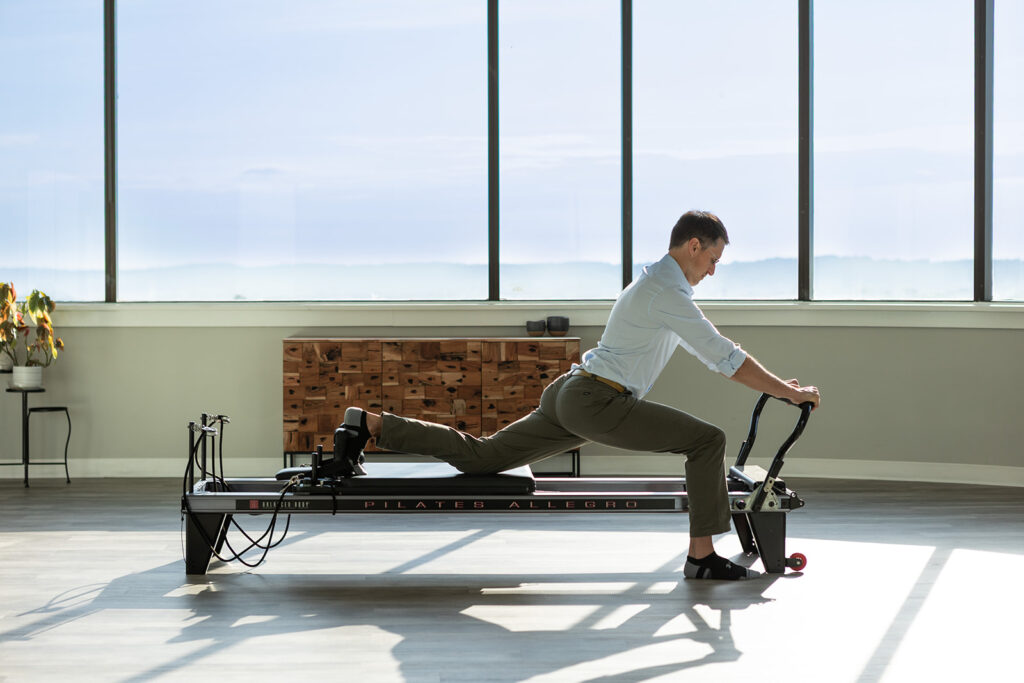
For over 8 years, I’ve taught dry needling to healthcare providers across the country, sharing techniques that improve patient outcomes and enhance recovery. Some of the work I’m most proud of includes:
- Helping many patients avoid unnecessary surgeries and medical procedures through targeted dry needling and rehabilitation
- Teaching dry needling to the physical therapists for the Baltimore Ravens and Washington Commanders
- Working with NFL players weekly during the season to help them recover and perform at their best
- Training Special Forces soldiers to maintain peak physical condition
- Helping patients with chronic pain completely transform their lives after years of suffering
This diverse experience has shown me how to use dry needling to address a wide range of needs — from everyday pain relief to optimizing high-level athletic performance.
Areas We Serve
Our office is conveniently located in Baltimore County off of York Road in Lutherville.
Not All Dry Needling is the Same
Many patients come to me after having dry needling elsewhere, often without meaningful results. The level of expertise can vary widely, and some practitioners use a non-specific approach that resembles traditional acupuncture rather than targeted, therapeutic dry needling.
For these patients, real relief is often only achieved once they receive treatment at my clinic, where the difference is substantial. In fact, many dry needling physical therapists refer their patients to me to treat areas of the body they are not comfortable addressing themselves.
What Happens During Treatment
The process is simple: I use thin filiform needles (much thinner than the ones used for shots) to target specific tight spots in your muscles. There are no medications or injections – just the needle itself.
How it feels – Everyone experiences the treatment a little differently. Some people feel relief with a little soreness, while others might feel the treatment is a little more intense. When the needle releases a trigger point, you might feel your muscle twitch or “jump”, which is a good sign that we’re releasing the muscle, and you will likely feel much better after the treatment!
Getting better – Some people immediately feel relief, while others require a few sessions. You might be a little sore afterward, like you would after a deep tissue massage or tough workout. If you feel that familiar pain during treatment, that usually means we’re working on the right spot.
How It Works
Dry needling targets those tight bands of muscle (trigger points) that cause so many problems. These trigger points can:
- Make your muscles weak or tight
- Limit how well you can move
- Cause pain in other areas of your body
- Make you sore and tender
When I release these trigger points, your muscles can relax, get better blood flow, and stop sending pain signals. Many people notice they can move better and feel stronger right away.
Does It Really Work?
Yes, and we have good research to prove it. The best medical research has shown that dry needling works better than placebo treatments for reducing pain and helping people move better. The evidence is strong enough that medical experts around the world now recommend it for many types of muscle and joint problems.
Dry Needling vs. Acupuncture: What’s the Difference?
While both dry needling and acupuncture involve the use of thin filiform needles, they are very different in purpose, technique, and outcomes. Acupuncture originates from traditional Eastern medicine and is based on the concept of energy flow, or “qi,” through meridians in the body. Needles are inserted at specific points to balance energy and promote overall wellness.
Dry needling, on the other hand, is a modern, evidence-based technique performed by trained healthcare providers to address muscle pain and dysfunction. It targets trigger points—tight, knotted areas in muscles that can cause pain locally and in other parts of the body. Dry needling releases these knots, restores normal muscle function, improves blood flow, and reduces inflammation.
The skill of the practitioner is critical. Effective dry needling requires a deep understanding of anatomy, biomechanics, and neuromuscular function, so treatment can precisely target the source of pain. Unlike acupuncture, dry needling is specifically designed to treat muscle-driven pain, postural imbalances, and movement restrictions.
What About Insurance?
Some insurance plans cover dry needling, but not all of them do yet. The good news is that, because it often helps people avoid expensive surgeries and procedures, many patients find it’s worth paying for even when insurance doesn’t cover it.
Taking Care of Yourself After Dry Needling
After each session, I’ll give you specific things to do to keep feeling better. This might include:
- Simple breathing exercises
- Taking short breaks if you work at a desk
- Specific stretches or movements for your condition
Keep moving – This is important. Whether it’s taking walks, doing gentle exercises, or getting back to your favorite activities, staying active will help your muscles remember their new, healthier patterns.

My Goal for You
I don’t just want to help you feel better for a few days. I want to help you get back to living your life without constant pain. Every treatment is designed to create lasting changes so you can stay active and avoid ending up on an operating table.
If you live in the Baltimore area and want to learn more about dry needling, let’s connect. Email me at: rob@robsatriano.com, schedule a consultation, or contact us and see if dry needling is right for you.