Craniosacral therapy has gained attention as a gentle, hands on approach used to support relaxation, reduce tension, and improve overall well being. While it is often associated with conditions like headaches, TMJ, and stress, many people still wonder what it actually does and how it works.
Unlike more traditional treatments that focus on specific muscles or joints, craniosacral therapy takes a broader approach. It looks at how the nervous system, connective tissues, and subtle movements within the body interact with each other.
Understanding how craniosacral therapy works can help you decide whether it may be a good fit for your needs.
Understanding Craniosacral Therapy?
Craniosacral therapy is a form of manual therapy that uses very light touch to assess and release tension in the body. It focuses on the craniosacral system, which includes the brain, spinal cord, and the fluid and membranes that surround them.
This system plays a key role in how the body functions and regulates itself. When there are restrictions or imbalances, it may affect the nervous system and contribute to symptoms like pain, stress, or discomfort.
The goal of craniosacral therapy is to improve the function of this system and support the body’s natural ability to heal.
The Craniosacral System Explained
The craniosacral system consists of several important components.
First, there is the brain and spinal cord, which make up the central nervous system. These structures control everything from movement to emotional responses.
Second, there is cerebrospinal fluid, which surrounds and protects the brain and spinal cord. This fluid also helps deliver nutrients and remove waste.
Finally, there are membranes and connective tissues that support and protect these structures.
Craniosacral therapy is based on the idea that this system has a natural rhythm and movement. Practitioners use their hands to feel for these subtle patterns and identify areas where movement may be restricted.
How the Therapy Is Performed
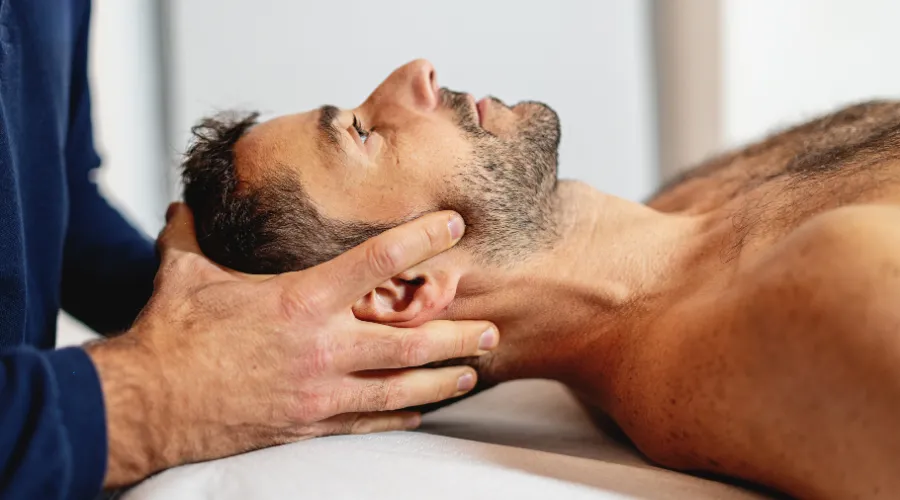
During a craniosacral therapy session, you typically lie fully clothed on a treatment table. The therapist uses a very light touch, often described as no more than the weight of a coin.
Hands may be placed on areas such as the head, neck, back, or pelvis. The therapist is not forcing movement or applying deep pressure. Instead, they are gently assessing and guiding the body.
Sessions are usually quiet and slow paced. Many people feel deeply relaxed during treatment, and some even fall asleep.
The experience can vary from person to person, but it is generally considered a calming and low impact therapy.
How Craniosacral Therapy Affects the Body
Craniosacral therapy works through several potential mechanisms, even though not all of them are fully understood or scientifically proven.
Nervous System Regulation
One of the most widely accepted effects of craniosacral therapy is its ability to influence the nervous system.
The body has two main states. One is the sympathetic state, often referred to as fight or flight. The other is the parasympathetic state, which is associated with rest and recovery.
Craniosacral therapy is believed to help shift the body toward the parasympathetic state. This can lead to reduced stress, slower breathing, and a greater sense of calm.
For people dealing with chronic tension or anxiety, this shift can be especially helpful.
Release of Physical Tension
The body holds tension in many different areas, including muscles, fascia, and joints. Even though craniosacral therapy uses light touch, it may still help release this tension.
The therapy focuses on subtle restrictions rather than obvious tightness. By addressing these smaller areas of restriction, it may improve how the body moves and functions as a whole.
This can be beneficial for conditions where tension plays a role, such as headaches, TMJ, or neck pain.
Improved Fluid Movement
Craniosacral therapy is based in part on the idea that improving the flow of cerebrospinal fluid can support overall health.
This fluid surrounds the brain and spinal cord and is important for protecting and nourishing the nervous system.
While the extent to which manual therapy can influence this fluid is debated, some practitioners believe that enhancing its movement can help improve function and reduce symptoms.
Mind Body Connection
Another key aspect of craniosacral therapy is its effect on the connection between the mind and body.
The quiet and gentle nature of the treatment encourages awareness and relaxation. This can help people become more in tune with how their body feels and responds to stress.
For some, this increased awareness can lead to better habits, reduced tension, and improved overall well being.
What Conditions Is It Used For?
Craniosacral therapy is often used as a complementary treatment for a variety of conditions.
Some of the most common include:
- Headaches and migraines
- TMJ and jaw pain
- Neck and back tension
- Stress and anxiety
- Sleep issues
- Chronic pain conditions
It is important to note that craniosacral therapy is not usually considered a primary treatment for these conditions. Instead, it is often used alongside other therapies to support overall improvement.
What Does the Research Say?
The scientific evidence for craniosacral therapy is still limited and somewhat mixed.
Some studies suggest that it may help reduce pain and improve relaxation, while others find no significant difference compared to placebo or other treatments.
One of the challenges with research in this area is the subtle nature of the therapy. It can be difficult to measure its effects objectively, and results may vary depending on the individual.
Because of this, many healthcare professionals view craniosacral therapy as a complementary option rather than a stand alone solution.
Why People Choose Craniosacral Therapy
Despite the limited research, many people are drawn to craniosacral therapy for a few key reasons.
It is gentle and non invasive, making it suitable for a wide range of individuals.
It promotes relaxation, which can be beneficial for both physical and mental health.
It takes a whole body approach rather than focusing on just one area.
For people who prefer a more holistic or low impact treatment, craniosacral therapy can be an appealing option.
Get Started Today
If you are dealing with ongoing tension, discomfort, or stress and want a more personalized approach to treatment, Satriano Physiotherapy is here to help. Our team focuses on understanding the root cause of your symptoms and creating a plan that fits your body and your goals. Whether craniosacral therapy is part of your treatment or not, we will guide you toward what actually works. Book your appointment today and take the first step toward feeling better.