
Temporomandibular joint disorder, often referred to as TMJ or TMD, can be a frustrating condition to deal with. Jaw pain, clicking, headaches, and difficulty chewing can all impact daily life. Because symptoms can vary so much from person to person, many people explore different treatment options, including alternative therapies like craniosacral therapy.
A common question is simple. Does craniosacral therapy actually work for TMJ? The short answer is that it may help some people, especially when tension and nervous system sensitivity are involved. However, it is usually most effective when combined with a more comprehensive physiotherapy approach.
Understanding Craniosacral Therapy?
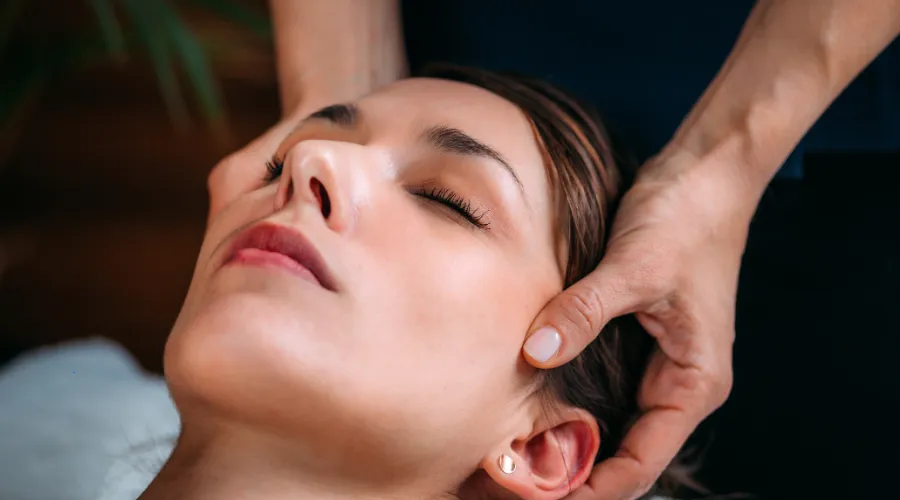
Craniosacral therapy is a gentle, hands on treatment that focuses on the head, jaw, spine, and nervous system. It uses light touch techniques to release tension and improve how the body moves and functions.
The therapy is based on the idea that restrictions in the skull, face, and upper spine can affect the nervous system and contribute to pain or dysfunction. By addressing these restrictions, craniosacral therapy aims to support the body’s natural ability to heal and regulate itself.
Because TMJ involves the jaw and surrounding structures, it makes sense that this type of therapy is sometimes used as part of treatment.
Understanding TMJ and Its Causes
The temporomandibular joint connects your jaw to your skull and plays a major role in speaking, chewing, and everyday movement. When this joint or the surrounding muscles are not functioning properly, it can lead to TMJ disorder.
Common symptoms include:
- Jaw pain or tightness
- Clicking or popping sounds
- Headaches or facial pain
- Difficulty opening or closing the mouth
- Ear discomfort or pressure
TMJ issues are often caused by a combination of factors, including muscle tension, joint dysfunction, poor posture, teeth grinding, and stress.
Because of this, treatment usually needs to address both the physical and neurological components of the condition.
How Craniosacral Therapy May Help TMJ
Craniosacral therapy does not directly change the structure of the jaw joint. Instead, it works on the surrounding tissues and nervous system, which can influence how the joint functions.
Releasing Muscle Tension
One of the main contributors to TMJ pain is tightness in the jaw, face, and neck muscles. Craniosacral therapy uses gentle techniques to help release this tension.
When muscles relax, it can reduce pressure on the joint and improve overall movement.
Improving Nervous System Regulation
TMJ is often linked to stress and nervous system overload. Many people clench their jaw or grind their teeth without realizing it, especially during periods of stress.
Craniosacral therapy aims to calm the nervous system and shift the body into a more relaxed state. This may reduce habits like clenching and help prevent flare ups.
Supporting Jaw Mobility
While craniosacral therapy is subtle, it can still influence how the jaw and surrounding structures move. Improving mobility in the head, neck, and upper spine can have a positive effect on jaw mechanics.
This is especially important because TMJ is rarely just a jaw issue. It is often connected to the neck and posture as well.
What Does the Research Say?
When it comes to scientific evidence, there is limited research specifically supporting craniosacral therapy as a primary treatment for TMJ.
Most studies on craniosacral therapy across different conditions show mixed or inconclusive results. This is often due to small sample sizes or lack of standardized methods.
However, there is stronger evidence supporting manual therapy and physiotherapy for TMJ in general.
Research shows that hands on treatment, combined with exercises and education, can improve pain, jaw function, and overall quality of life for people with TMJ.
This suggests that while craniosacral therapy alone may not be a complete solution, hands on approaches can still play an important role when used appropriately.
Why Some People Experience Relief
Even without strong scientific backing, some individuals report feeling better after craniosacral therapy.
There are a few reasons this may happen:
- Reduced muscle tension can ease pressure on the jaw
- Relaxation can decrease clenching and grinding
- Improved awareness of tension patterns can change habits
- A calmer nervous system can reduce pain sensitivity
TMJ is highly influenced by both physical and neurological factors, so treatments that address both can sometimes provide relief.
A Physiotherapy Approach to TMJ Treatment
At Satriano Physiotherapy, TMJ is treated using a comprehensive and individualized approach.
Instead of focusing on just one technique, treatment is based on identifying the underlying causes of your symptoms. This often includes a combination of:
- Manual therapy to the jaw, neck, and surrounding muscles
- Exercises to improve strength and mobility
- Postural correction to reduce strain on the jaw
- Education on habits like clenching and grinding
- Strategies to manage stress and nervous system tension
This approach addresses both the mechanical and neurological aspects of TMJ, which is key for long term improvement.
Craniosacral therapy may be included as part of treatment when appropriate, but it is typically one piece of a larger plan.
Final Thoughts
It can help in certain cases, especially when muscle tension and nervous system factors play a role. However, it is not a one size fits all solution and should not be relied on as the only form of treatment.
For the best results, craniosacral therapy should be part of a broader physiotherapy plan that addresses strength, mobility, posture, and daily habits.
At Satriano Physiotherapy, the focus is on providing personalized care that targets the underlying cause of your TMJ symptoms. With the right combination of treatment and guidance, it is possible to reduce pain, improve function, and get back to feeling like yourself again. Contact us today to get started!