
Anxiety is something many people deal with, whether it shows up as constant worry, physical tension, or feeling overwhelmed day to day. Because anxiety affects both the mind and body, people often look beyond traditional treatments and explore more holistic options.
One therapy that comes up often is craniosacral therapy.
So the question is, does craniosacral therapy actually work for anxiety? The honest answer is that it can help some people, especially when anxiety is tied to nervous system overload and physical tension. However, it is not a one size fits all solution, and it tends to work best when combined with a broader treatment approach.
Understanding Craniosacral Therapy?
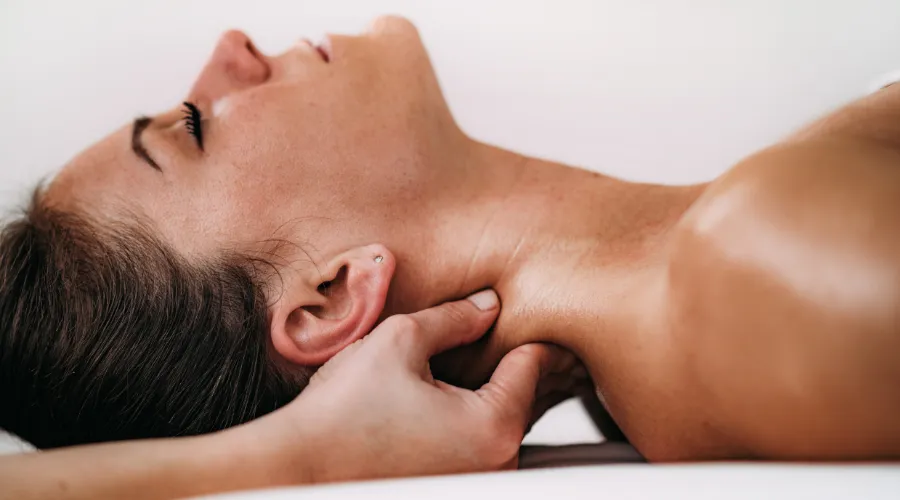
Craniosacral therapy is a gentle, hands on treatment that focuses on the head, spine, and nervous system. It uses very light touch to release tension and improve how the body functions as a whole.
The therapy is based on the idea that the body has natural rhythms and movement, particularly in the fluid surrounding the brain and spinal cord. When there are restrictions in the system, it may affect how the body regulates stress and responds to different stimuli.
By reducing these restrictions, craniosacral therapy aims to support relaxation and help the body return to a more balanced state.
Understanding Anxiety From a Physical Perspective
Anxiety is often thought of as a mental health condition, but it also has strong physical components.
When you feel anxious, your body shifts into a fight or flight state. This can lead to symptoms like:
- Muscle tension
- Increased heart rate
- Shallow breathing
- Tightness in the chest or jaw
- Trouble relaxing or sleeping
Over time, the nervous system can become stuck in this heightened state. Even when there is no immediate threat, the body continues to react as if there is.
This is where therapies that focus on the nervous system, like craniosacral therapy, may play a role.
How Craniosacral Therapy May Help Anxiety
Craniosacral therapy does not directly treat anxiety in the same way medication or psychotherapy does. Instead, it focuses on calming the body and improving nervous system regulation.
Promoting Relaxation
One of the main effects of craniosacral therapy is deep relaxation. The light touch and slow, gentle techniques can help shift the body out of a stressed state.
This can be especially helpful for people who feel constantly tense or unable to fully relax.
Supporting Nervous System Balance
Craniosacral therapy is often associated with activating the parasympathetic nervous system, which is responsible for rest and recovery.
When this system is more active, the body can:
- Slow down heart rate
- Reduce muscle tension
- Improve breathing patterns
- Feel calmer overall
For someone with anxiety, this shift can make a noticeable difference in how they feel both during and after a session.
Reducing Physical Tension
Anxiety often shows up physically in areas like the neck, shoulders, and jaw. Craniosacral therapy may help release this tension, which can reduce discomfort and create a sense of ease in the body.
When the body feels less tense, it can also help quiet the mental side of anxiety.
Why Some People Find It Helpful
Even with limited research, many people report feeling calmer and more grounded after craniosacral therapy sessions.
There are a few reasons this may happen:
- The treatment encourages deep relaxation
- It provides a quiet, low stimulation environment
- It helps people become more aware of their body
- It reduces physical tension that contributes to stress
For some individuals, these effects are enough to make anxiety feel more manageable.
It is important to remember that anxiety is highly personal. What works well for one person may not have the same effect for someone else.
When Craniosacral Therapy Might Be Worth Trying
Craniosacral therapy may be a good option if:
- Your anxiety is closely linked to physical tension
- You feel stuck in a constant state of stress
- You are looking for a gentle, non invasive approach
- You want to complement other treatments
It can be particularly helpful as part of a broader plan rather than a standalone solution.
When to Seek Additional Support
If anxiety is significantly affecting your daily life, it is important to seek professional support.
This may include working with a physiotherapist, therapist, or other healthcare provider depending on your needs.
A combination of treatments often leads to the best results, especially when both the mind and body are addressed.
Final Thoughts
Craniosacral therapy can help some people feel more relaxed and regulated, especially when anxiety is connected to nervous system overload and physical tension. However, it is not a cure and should not replace other proven treatments.
The most effective approach to anxiety is usually a combination of strategies that support both mental and physical health.
At Satriano Physiotherapy, the focus is on helping you understand how your body responds to stress and giving you the tools to manage it more effectively. With the right approach, it is possible to feel more in control, more relaxed, and better equipped to handle everyday challenges. Contact us today to get started!