If you are researching shockwave therapy for chronic pain or injury recovery, you may have seen people ask whether the treatment can cause damage. It is a common concern, especially for patients who are already dealing with sensitive or painful tissue.
The good news is that shockwave therapy is considered a safe, non-invasive treatment when performed properly by a trained provider. In fact, the treatment is designed to stimulate healing, improve circulation, and help damaged tissue recover.
At Satriano Physiotherapy, shockwave therapy is used to help patients recover from chronic tendon injuries, plantar fasciitis, muscle tightness, hip pain, and other stubborn conditions that have not responded well to rest or traditional treatment alone.
How Shockwave Therapy Works
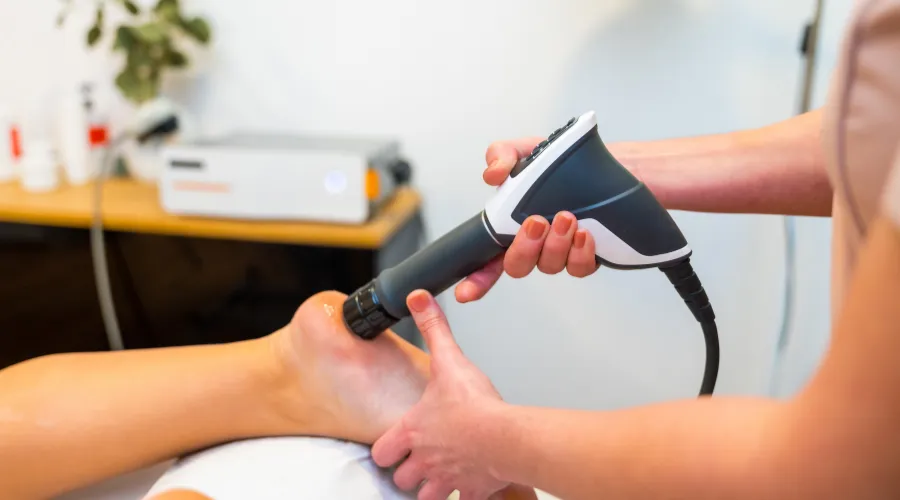
Shockwave therapy uses acoustic pressure waves that travel into injured tissue. These pressure waves stimulate the body’s natural healing response by increasing blood flow, encouraging collagen production, and helping break down scar tissue or adhesions.
The treatment is commonly used for conditions such as:
- Plantar fasciitis
- Achilles tendinitis
- Tennis elbow
- Hip pain
- Shoulder pain
- Patellar tendinopathy
- Chronic muscle tightness
Unlike surgery or injections, shockwave therapy does not involve cutting tissue or using medication. The treatment is non-invasive and typically requires little downtime.
Why Some Patients Worry About Damage
The name “shockwave therapy” can sound intimidating at first. Some patients assume the treatment involves damaging tissue because they feel pressure or discomfort during the session.
In reality, the acoustic waves are carefully controlled and targeted. The goal is to stimulate a healing response within dysfunctional tissue, not tear or injure healthy structures.
Patients may experience temporary soreness after treatment, but this is usually part of the normal healing process rather than a sign of damage.
Can Shockwave Therapy Actually Damage Tissue?
When performed correctly, shockwave therapy is very unlikely to damage healthy tissue.
The treatment settings are adjusted based on the patient’s condition, pain tolerance, and treatment goals. Experienced physiotherapists know how to deliver effective therapy without overstressing the area.
Most side effects are mild and temporary. Some patients experience:
- Mild soreness
- Redness
- Temporary tenderness
- Slight swelling
- Bruising in sensitive areas
These symptoms usually improve within a few days.
Serious complications from shockwave therapy are rare, especially when patients are properly evaluated beforehand.
Why Temporary Soreness Is Normal
Some patients mistake post-treatment soreness for damage, but mild irritation is actually expected in many cases.
Shockwave therapy works by stimulating the body’s repair mechanisms. As circulation increases and the tissue responds to treatment, temporary inflammation may occur. This controlled response helps activate healing.
Many patients describe the feeling after treatment as similar to post-workout soreness.
The important difference is that this response is temporary and typically improves quickly.
Is Shockwave Therapy Safer Than Surgery or Injections?
For many patients, shockwave therapy offers a less invasive alternative compared to surgery or repeated injections.
Surgery often requires significant recovery time, rehabilitation, and activity restrictions. Cortisone injections may temporarily reduce pain but can sometimes weaken tissue if overused.
Shockwave therapy focuses on stimulating the body’s own healing response without surgical incisions or medication-based intervention.
That is one reason why many active individuals and athletes choose shockwave therapy before considering more invasive treatment options.
Can Shockwave Therapy Make Pain Worse?
Some patients notice temporary soreness or irritation after treatment, especially during the first 24 to 48 hours. This does not necessarily mean the condition is worsening.
However, aggressively returning to intense activity too quickly after treatment can sometimes aggravate the injured area. Following proper rehabilitation guidelines is important for recovery.
Most physiotherapists recommend modifying high-impact exercise temporarily while the tissue adapts to treatment.
Patients with chronic tendon injuries often improve gradually over multiple sessions rather than overnight.
Who Should Avoid Shockwave Therapy?
Although shockwave therapy is safe for many people, there are situations where it may not be recommended.
Patients with certain medical conditions, active infections, blood clotting disorders, or pregnancy may need alternative treatment options. A thorough assessment helps determine whether shockwave therapy is appropriate.
That is why working with an experienced physiotherapist matters. Proper evaluation helps ensure treatment is both safe and effective.
Why Professional Treatment Matters
The safety and effectiveness of shockwave therapy depend heavily on how the treatment is applied.
Using the wrong intensity, treating the wrong area, or failing to properly evaluate the injury can reduce effectiveness and increase unnecessary discomfort.
At Rob Satriano Physiotherapy’s Shockwave Therapy Program, treatment plans are customized based on each patient’s symptoms, mobility, activity level, and goals. Shockwave therapy is often combined with corrective exercise, movement retraining, and hands-on physiotherapy to help address the root cause of pain rather than simply masking symptoms.
What Makes Shockwave Therapy Effective?
Shockwave therapy has become increasingly popular because it can help treat chronic conditions that have failed to improve with rest alone.
Many tendon injuries and chronic pain conditions involve poor circulation, scar tissue buildup, or long-term tissue dysfunction. Shockwave therapy helps stimulate healing activity in these stubborn areas.
Patients often seek treatment after dealing with symptoms for months or even years. When combined with proper rehabilitation, shockwave therapy can help improve mobility, reduce pain, and support long-term recovery.
What Should You Expect After Treatment?
Most patients are able to return to normal daily activities shortly after a session.
Some temporary soreness is common, but severe pain is not typical. Patients are usually encouraged to continue gentle movement while temporarily avoiding activities that excessively overload the treated tissue.
Recovery timelines vary depending on the condition, severity of symptoms, and overall health of the patient.
Some people notice improvement quickly, while chronic injuries may require several sessions for optimal results.
Final Thoughts on Shockwave Therapy and Damage
Shockwave therapy is designed to help damaged tissue heal, not create additional injury. When performed by a qualified physiotherapist, the treatment is considered safe, non-invasive, and effective for many chronic musculoskeletal conditions.
Although temporary soreness can occur, serious complications are uncommon. For many patients, shockwave therapy offers a powerful option for reducing pain and improving mobility without surgery or lengthy downtime.
Book Here
If you are struggling with chronic pain, plantar fasciitis, tendon injuries, or muscle tightness, book here to learn how shockwave therapy at Rob Satriano Physiotherapy may help you recover and move comfortably again.