If you are considering shockwave therapy or recently had a session, you may be wondering whether it is safe to exercise afterward. In most cases, the answer is yes. Many patients can continue light movement and modified exercise after treatment, but the intensity and type of activity matter.
Shockwave therapy is designed to stimulate healing in injured tissue, not force complete rest. At Satriano Physiotherapy, shockwave therapy is commonly used alongside movement correction, strengthening exercises, and hands-on physiotherapy to help patients recover from chronic pain and mobility issues.
The key is understanding what types of exercise help recovery and what activities may temporarily aggravate the treated area.
What Is Shockwave Therapy?
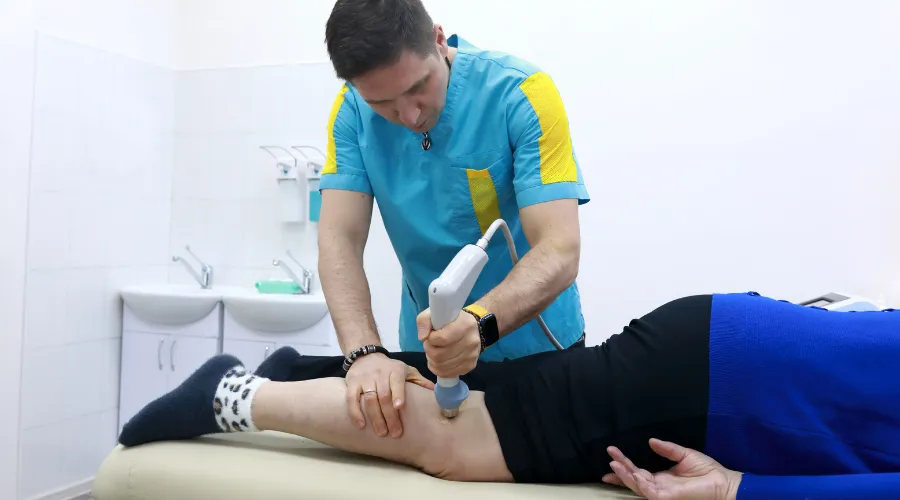
Shockwave therapy uses acoustic pressure waves to stimulate healing in damaged muscles, tendons, ligaments, and connective tissue. The treatment is commonly used for conditions such as plantar fasciitis, Achilles tendinitis, hip pain, calcific shoulder pain, tennis elbow, and chronic muscle tightness.
The pressure waves help increase blood flow, stimulate collagen production, break up scar tissue, and activate the body’s natural healing response. Unlike surgery or injections, shockwave therapy is non-invasive and usually requires little downtime.
Many patients choose shockwave therapy because it can help address chronic pain without medication or lengthy recovery periods.
Should You Rest Completely After Shockwave Therapy?
Most patients do not need complete rest after shockwave therapy. In fact, gentle movement is often encouraged because it helps maintain circulation and mobility while supporting the healing process.
However, that does not mean you should immediately return to intense workouts or high-impact activity. The treated tissue may be temporarily irritated or sensitive after treatment, especially during the first 24 to 48 hours.
Your body still needs time to respond to the therapy. Overloading the area too quickly can interfere with recovery and increase discomfort.
Most physiotherapists recommend avoiding activities that place excessive stress directly on the treated area for a short period after treatment.
What Types of Exercise Are Usually Safe?
The safest exercises after shockwave therapy are typically low-impact activities that keep the body moving without aggressively stressing the injured tissue.
Walking is often encouraged after treatment because it promotes blood flow and helps prevent stiffness. Light mobility work and gentle stretching may also be appropriate depending on the condition being treated.
Some patients can continue modified strength training as long as they avoid movements that aggravate symptoms. For example, someone receiving shockwave therapy for plantar fasciitis may still be able to perform upper-body workouts, while someone being treated for shoulder pain may continue lower-body exercise.
The right approach depends on the location of the injury, the severity of symptoms, and the recommendations of your physiotherapist.
Exercises You May Need to Avoid Temporarily
Although movement is beneficial, some activities may place too much strain on healing tissue immediately after treatment.
High-impact exercise is often the biggest concern during the early stages of recovery. Running, jumping, sprinting, and explosive movements can aggravate irritated tendons or inflamed tissue if reintroduced too quickly.
Heavy lifting may also need to be limited for a short period, especially if the treated area is already under repetitive stress. For example, patients being treated for tennis elbow or rotator cuff pain may need to temporarily reduce heavy pressing or gripping exercises.
Athletes should also be cautious about returning to intense training too quickly simply because symptoms start improving. Pain reduction does not always mean the tissue is fully healed yet.
How Long Should You Wait Before Returning to Intense Exercise?
The timeline varies depending on the condition being treated and how your body responds to therapy.
Some patients feel mild soreness for only a day or two, while others may experience sensitivity for longer. In many cases, moderate exercise can resume within a few days, but high-impact training may need to be reduced for one to two weeks.
Chronic tendon injuries often require gradual loading instead of a rapid return to full activity. This is especially true for runners, athletes, and active individuals who place repetitive stress on the injured tissue.
Your physiotherapist will usually recommend a progression based on your pain levels, movement quality, and overall recovery.
Why Exercise Is Often Part of Recovery
Shockwave therapy works best when combined with proper rehabilitation. The treatment helps stimulate healing, but exercise helps strengthen the tissue and improve how the body moves.
Without corrective movement and strengthening, the original problem may continue returning even if pain temporarily improves.
For example, plantar fasciitis may be connected to calf tightness, foot weakness, or poor ankle mobility. Shoulder pain may be related to posture, muscle imbalances, or limited thoracic mobility. Hip pain can sometimes be influenced by instability or poor movement mechanics.
Exercise helps address these underlying issues while shockwave therapy helps calm pain and stimulate tissue repair.
That combination is often more effective than passive treatment alone.
Is Soreness Normal After Shockwave Therapy?
Some soreness after treatment is completely normal. Many patients describe the feeling as similar to post-workout muscle soreness or mild bruising.
The treated area may feel sensitive for 24 to 48 hours after a session. This temporary irritation is part of the body’s healing response.
Most physiotherapists recommend avoiding anti-inflammatory medications immediately after treatment unless specifically instructed otherwise. The inflammatory response is part of how shockwave therapy stimulates recovery.
Ice may sometimes be recommended for comfort, but treatment recommendations vary depending on the condition and patient.
If pain becomes severe or continues worsening, patients should contact their provider for further guidance.
Can Athletes Train After Shockwave Therapy?
Athletes can often continue training after shockwave therapy, but modifications are usually necessary.
Completely stopping movement is not always ideal, especially for competitive athletes. Instead, physiotherapists often adjust training volume, intensity, or exercise selection while the tissue heals.
For example, a runner with Achilles pain may temporarily reduce mileage and avoid hills or speed work. A tennis player with elbow pain may modify serving volume. A weightlifter with shoulder irritation may reduce overhead pressing for a short time.
The goal is to keep the athlete active while preventing overload of the injured area.
When Should You Avoid Exercise After Treatment?
There are situations where rest may be more important immediately after shockwave therapy.
If the treated tissue is severely irritated, acutely inflamed, or highly painful, your physiotherapist may recommend temporarily limiting activity. Patients who ignore worsening symptoms and continue pushing through pain may delay healing.
It is also important to avoid exercises that directly reproduce sharp pain in the treated area.
Listening to your body and following professional guidance is one of the most important parts of successful recovery.
How Physiotherapy Supports Long-Term Recovery
Shockwave therapy alone may help reduce pain, but long-term recovery usually requires a full treatment approach.
At Rob Satriano Physiotherapy’s Shockwave Therapy Program, treatment plans are designed to help patients improve movement quality, reduce chronic pain, and restore function. Rehabilitation may include manual therapy, mobility work, corrective exercise, strengthening, and movement retraining depending on the patient’s needs.
The goal is not simply temporary symptom relief. It is helping patients move better, recover fully, and return to the activities they enjoy safely.
Final Thoughts on Exercising After Shockwave Therapy
Most patients can continue some form of exercise after shockwave therapy, but intensity and activity selection matter. Light movement and controlled exercise are often beneficial, while aggressive training and high-impact activity may need to be temporarily reduced. Contact Satriano Physiotherapy today to book an appointment!